
How CRM and ERP Support Insurance Digital Transformation
The insurance industry, traditionally characterized by paper-based processes and legacy systems, is undergoing a significant digital transformation. This evolution isn’t just about adopting new technologies; it’s about fundamentally changing how insurance companies operate, interact with customers, and manage their business. At the heart of this transformation are two powerful enterprise systems: Customer Relationship Management (CRM) and Enterprise Resource Planning (ERP). These systems, when implemented strategically, can streamline operations, enhance customer experiences, and drive significant business growth.
Imagine an insurance company where customer data is scattered across multiple departments, claims processing is slow and inefficient, and financial reporting is a cumbersome manual process. This is the reality for many insurers still grappling with outdated systems. CRM and ERP offer a solution by providing a centralized platform for managing customer interactions, automating business processes, and gaining real-time insights into performance. They are not just software; they are strategic tools that enable insurers to become more agile, responsive, and customer-centric.
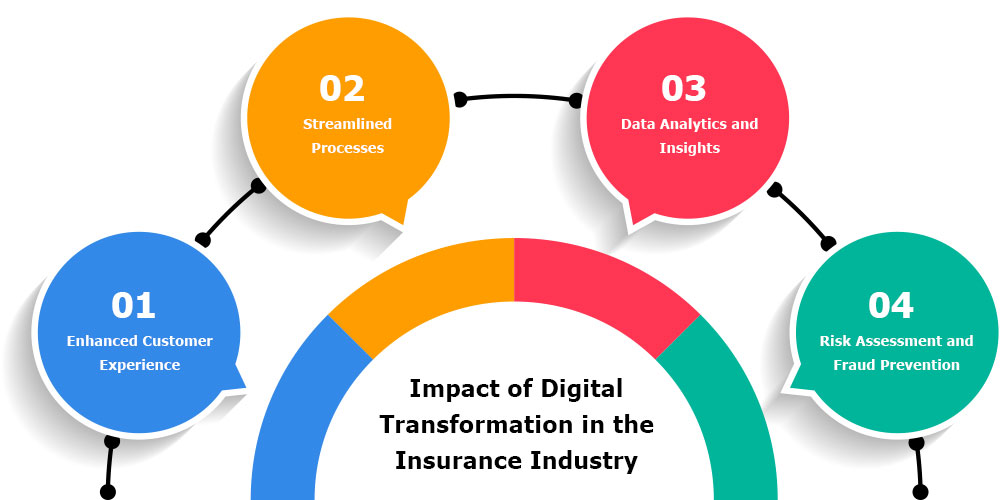
This article will delve into how CRM and ERP systems support insurance digital transformation. We’ll explore the specific functionalities of each system, how they integrate to create a unified platform, and the benefits they offer in terms of improved customer service, operational efficiency, and data-driven decision-making. We’ll also look at common challenges and best practices for successful implementation, ensuring that insurance companies can leverage these powerful tools to thrive in the digital age.
Understanding CRM in the Insurance Context
Customer Relationship Management (CRM) is more than just a contact management system; it’s a comprehensive solution designed to manage and analyze customer interactions and data throughout the customer lifecycle. In the insurance industry, this translates to a centralized platform for managing leads, policies, claims, and customer service interactions. The goal is to improve customer relationships, drive sales growth, and enhance customer retention.
Key CRM Features for Insurance
Several key features within a CRM system are particularly beneficial for insurance companies:. Understanding the comprehensive benefits of Erp Solutions Life often requires exploring specific industry applications
- Lead Management: Track and manage leads from initial contact to policy purchase. This includes capturing lead information, qualifying leads, and assigning them to the appropriate agents.
- Policy Management: Store and manage policy information, including coverage details, premiums, and renewal dates. This allows agents to quickly access policy information and provide personalized service.
- Claims Management: Streamline the claims process from initial reporting to settlement. This includes capturing claim details, assigning claims adjusters, and tracking the progress of the claim.
- Customer Service: Provide a centralized platform for handling customer inquiries and resolving issues. This includes capturing customer interactions, tracking service requests, and measuring customer satisfaction.
- Marketing Automation: Automate marketing campaigns to generate leads, nurture prospects, and retain customers. This includes email marketing, social media marketing, and targeted advertising.
- Reporting and Analytics: Generate reports and dashboards to track key performance indicators (KPIs) and gain insights into customer behavior. This includes sales performance, customer satisfaction, and claims processing efficiency.
Benefits of CRM for Insurance Companies
Implementing a CRM system offers numerous benefits for insurance companies, including:
- Improved Customer Service: Provide faster, more personalized service by having all customer information readily available. Agents can quickly access policy details, claims history, and past interactions to provide tailored solutions.
- Increased Sales: Generate more leads and close more deals by effectively managing the sales process. CRM helps track leads, qualify prospects, and automate sales tasks, leading to increased sales efficiency.
- Enhanced Customer Retention: Retain customers by providing excellent service and building strong relationships. CRM helps identify at-risk customers and proactively address their concerns, reducing churn.
- Better Collaboration: Improve communication and collaboration between departments by providing a centralized platform for sharing customer information. This ensures that everyone is on the same page and can provide consistent service.
- Data-Driven Decision-Making: Make informed decisions based on accurate and up-to-date customer data. CRM provides insights into customer behavior, sales performance, and marketing effectiveness, enabling data-driven decision-making.
Exploring ERP in the Insurance Landscape
Enterprise Resource Planning (ERP) systems are designed to integrate and manage all core business processes across an organization. In the insurance industry, this includes finance, accounting, human resources, supply chain management (if applicable), and, crucially, actuarial functions. ERP provides a centralized platform for managing financial data, automating business processes, and gaining real-time visibility into performance.
Key ERP Modules for Insurance
While a full suite ERP can be overkill for smaller insurance agencies, certain modules are critical:
- Financial Management: Manage all financial transactions, including general ledger, accounts payable, accounts receivable, and budgeting. This ensures accurate financial reporting and compliance.
- Accounting: Automate accounting processes, such as journal entries, bank reconciliations, and financial statement preparation. This improves efficiency and reduces errors.
- Human Resources (HR): Manage employee data, payroll, benefits, and training. This streamlines HR processes and ensures compliance with labor laws.
- Actuarial Management: Manage actuarial data, including risk assessment, pricing, and reserving. This is a critical function for insurance companies to ensure profitability and solvency.
- Reporting and Analytics: Generate reports and dashboards to track key performance indicators (KPIs) and gain insights into business performance. This includes financial performance, operational efficiency, and risk management.
Benefits of ERP for Insurance Companies
The benefits of implementing an ERP system in the insurance sector are substantial:
- Improved Operational Efficiency: Automate business processes and eliminate manual tasks, freeing up employees to focus on more strategic activities. This reduces costs and improves productivity.
- Enhanced Financial Control: Gain better control over finances by centralizing financial data and automating accounting processes. This ensures accurate financial reporting and compliance.
- Streamlined Actuarial Processes: Improve the accuracy and efficiency of actuarial processes by providing a centralized platform for managing actuarial data. This enables better risk assessment and pricing.
- Better Decision-Making: Make informed decisions based on accurate and up-to-date business data. ERP provides real-time visibility into performance across all departments.
- Regulatory Compliance: Ensure compliance with industry regulations by providing a centralized platform for managing data and tracking compliance requirements.
Integrating CRM and ERP for a Unified Insurance Platform
While CRM and ERP offer significant benefits on their own, the real power lies in integrating them to create a unified platform. This integration allows for seamless data flow between customer-facing and back-office operations, providing a holistic view of the business. Imagine a scenario where a claims adjuster can immediately access a customer’s policy details and financial history within the ERP system directly from the CRM interface. This level of integration significantly improves efficiency and customer service.
Benefits of CRM and ERP Integration
Here’s how integrating CRM and ERP can transform an insurance business:
- 360-Degree Customer View: Gain a complete view of the customer by integrating customer data from CRM with financial and operational data from ERP. This allows for more personalized service and targeted marketing.
- Improved Sales and Marketing Alignment: Align sales and marketing efforts by sharing customer data and insights between CRM and ERP. This enables more effective lead generation and sales conversion.
- Streamlined Claims Processing: Automate claims processing by integrating claims data from CRM with financial data from ERP. This reduces processing time and improves accuracy.
- Enhanced Financial Reporting: Improve financial reporting by integrating financial data from ERP with customer data from CRM. This provides a more comprehensive view of business performance.
- Increased Efficiency: Eliminate manual data entry and redundant tasks by automating data flow between CRM and ERP. This frees up employees to focus on more strategic activities.
How Integration Works
CRM and ERP integration typically involves:
- Data Mapping: Identifying which data fields in CRM correspond to data fields in ERP.
- Data Synchronization: Setting up automated processes to synchronize data between the two systems. This can be done in real-time or on a scheduled basis.
- Workflow Automation: Automating business processes that span both CRM and ERP. For example, automatically creating a customer account in ERP when a new policy is sold in CRM.
- API Integration: Using Application Programming Interfaces (APIs) to connect the two systems.
Challenges and Best Practices for Implementation
Implementing CRM and ERP systems is a complex undertaking that requires careful planning and execution. It’s not just about installing software; it’s about changing the way the organization operates. Here are some common challenges and best practices to ensure a successful implementation.
Common Challenges
- Lack of Clear Objectives: Failing to define clear goals and objectives for the implementation.
- Inadequate Planning: Insufficient planning and preparation, leading to scope creep and budget overruns.
- Data Migration Issues: Difficulties migrating data from legacy systems to the new systems. Data cleansing and validation are crucial.
- User Resistance: Resistance to change from employees who are used to the old systems. Training and communication are essential.
- Integration Complexities: Challenges integrating CRM and ERP with other systems.
- Underestimating Costs: Underestimating the total cost of ownership, including software, implementation, training, and ongoing maintenance.
Best Practices for Successful Implementation
- Define Clear Objectives: Clearly define the goals and objectives for the implementation. What do you want to achieve with CRM and ERP?
- Develop a Detailed Plan: Develop a detailed implementation plan that includes timelines, budgets, and resource allocation.
- Choose the Right Systems: Select CRM and ERP systems that meet your specific business needs. Consider factors such as functionality, scalability, and ease of use.
- Data Governance: Establish a data governance policy to ensure data quality and consistency.
- Provide Comprehensive Training: Provide comprehensive training to all employees on how to use the new systems.
- Communicate Effectively: Communicate regularly with employees about the progress of the implementation and address any concerns.
- Phased Rollout: Consider a phased rollout to minimize disruption and allow for adjustments along the way.
- Ongoing Support: Provide ongoing support and maintenance to ensure the systems continue to meet your needs.
- Executive Sponsorship: Secure strong executive sponsorship to drive the project forward and overcome resistance to change.
- Focus on User Adoption: Prioritize user adoption by making the systems easy to use and providing ongoing support.
Choosing the Right CRM and ERP Solution
Selecting the right CRM and ERP solution is a critical decision that can significantly impact the success of your digital transformation efforts. There’s no one-size-fits-all solution; the best choice depends on the specific needs and requirements of your insurance company. Finding the right solution can be daunting, but understanding the core features of Best Crm Insurance is essential for making an informed decision
Factors to Consider
When evaluating CRM and ERP solutions, consider the following factors:
- Functionality: Does the system offer the functionality you need to manage your business processes? Consider specific insurance industry requirements such as policy management, claims processing, and actuarial functions.
- Scalability: Can the system scale to meet your future growth needs?
- Integration Capabilities: How well does the system integrate with other systems, such as legacy systems and third-party applications?
- Ease of Use: Is the system easy to use for your employees? A user-friendly interface will improve adoption rates.
- Vendor Reputation: Does the vendor have a good reputation and a proven track record of success?
- Cost: What is the total cost of ownership, including software, implementation, training, and ongoing maintenance?
- Security: Does the system meet your security requirements and comply with industry regulations?
- Deployment Options: Do you prefer a cloud-based solution or an on-premise solution?
The Importance of a Strong Implementation Partner
Choosing the right implementation partner is just as important as choosing the right software. A good implementation partner will have experience implementing CRM and ERP systems in the insurance industry and will be able to provide guidance and support throughout the implementation process. Look for a partner with a proven methodology, strong project management skills, and a deep understanding of the insurance industry.
Conclusion
CRM and ERP systems are essential tools for insurance companies looking to digitally transform their business. By streamlining operations, enhancing customer experiences, and providing data-driven insights, these systems can help insurers become more agile, responsive, and competitive. While implementing CRM and ERP is a complex undertaking, the benefits of improved efficiency, enhanced customer service, and better decision-making make it a worthwhile investment. By carefully planning the implementation, choosing the right solutions and partners, and focusing on user adoption, insurance companies can successfully leverage CRM and ERP to thrive in the digital age.
The journey to digital transformation is ongoing. Embracing these technologies is not just about keeping up with the times; it’s about positioning your insurance company for long-term success in an increasingly competitive and customer-centric market. The future of insurance is digital, and CRM and ERP are the cornerstones of that future. Many insurance companies are discovering the power of technology, and Erp Streamlines Insurance is a testament to this trend
Frequently Asked Questions (FAQ) about How CRM and ERP Support Insurance Digital Transformation
How can a Customer Relationship Management (CRM) system specifically improve customer experience in the insurance industry during digital transformation?
A CRM system is crucial for improving customer experience in insurance digital transformation by centralizing customer data from various touchpoints. This provides a 360-degree view of each customer, enabling personalized interactions and targeted marketing campaigns. For example, an agent can quickly access a customer’s policy details, claims history, and communication preferences before a call. CRM systems also automate tasks like sending policy renewal reminders and onboarding new clients, freeing up staff to focus on more complex customer needs. This proactive approach fosters stronger relationships and increases customer satisfaction. Furthermore, CRM analytics provide valuable insights into customer behavior, allowing insurers to identify areas for improvement in their services and processes, ultimately leading to a better overall customer journey and improved retention.
What benefits does integrating Enterprise Resource Planning (ERP) software offer insurance companies undergoing digital transformation, particularly concerning operational efficiency and cost reduction?
Integrating ERP software offers significant benefits to insurance companies undergoing digital transformation by streamlining internal processes and improving operational efficiency. ERP systems consolidate financial data, human resources, and other core business functions into a single, integrated platform. This eliminates data silos and reduces manual data entry, minimizing errors and improving accuracy. For example, automating claims processing through ERP can significantly reduce processing time and associated administrative costs. Moreover, ERP provides real-time visibility into key performance indicators (KPIs), enabling better decision-making and resource allocation. By optimizing resource utilization and automating routine tasks, ERP helps insurance companies reduce operational costs, improve profitability, and gain a competitive edge in the market. The centralized system also improves compliance and reporting accuracy.
Beyond customer service and operations, how can combining CRM and ERP systems help insurance companies better manage risk and compliance during digital transformation efforts?
Combining CRM and ERP systems provides insurance companies with a holistic view of their business, significantly enhancing risk management and compliance during digital transformation. By integrating customer data from the CRM with financial and operational data from the ERP, insurers can gain a deeper understanding of potential risks associated with specific policies, customer segments, or geographical areas. This integrated view allows for more accurate risk assessment and pricing. Furthermore, the combined systems facilitate better compliance with regulatory requirements. For instance, automated reporting features within the ERP ensure accurate and timely submission of required data to regulatory bodies. The improved data governance and audit trails provided by the integrated systems also simplify compliance audits, reducing the risk of penalties and reputational damage. This holistic approach to risk management and compliance ensures that the digital transformation efforts align with industry regulations and best practices.


