
How CRM and ERP Boost Insurance Marketing Campaigns
In today’s competitive insurance market, simply having a good product isn’t enough. Insurers need to be smarter, more targeted, and more efficient in their marketing efforts. This requires leveraging the right technology to understand their customers, personalize their messaging, and optimize their campaigns for maximum impact. Two powerful tools that are increasingly vital for insurance companies are Customer Relationship Management (CRM) and Enterprise Resource Planning (ERP) systems. While often discussed separately, when integrated, CRM and ERP can revolutionize insurance marketing campaigns, leading to increased lead generation, higher conversion rates, and improved customer retention.
Many insurance agencies still rely on disparate systems for managing customer interactions, policy information, and financial data. This siloed approach creates inefficiencies, hinders data visibility, and makes it difficult to gain a holistic view of the customer. Imagine trying to tailor a marketing campaign to a specific customer segment when the data about their policies, claims history, and communication preferences are scattered across multiple spreadsheets and databases. The result is often generic, ineffective marketing that fails to resonate with the target audience.
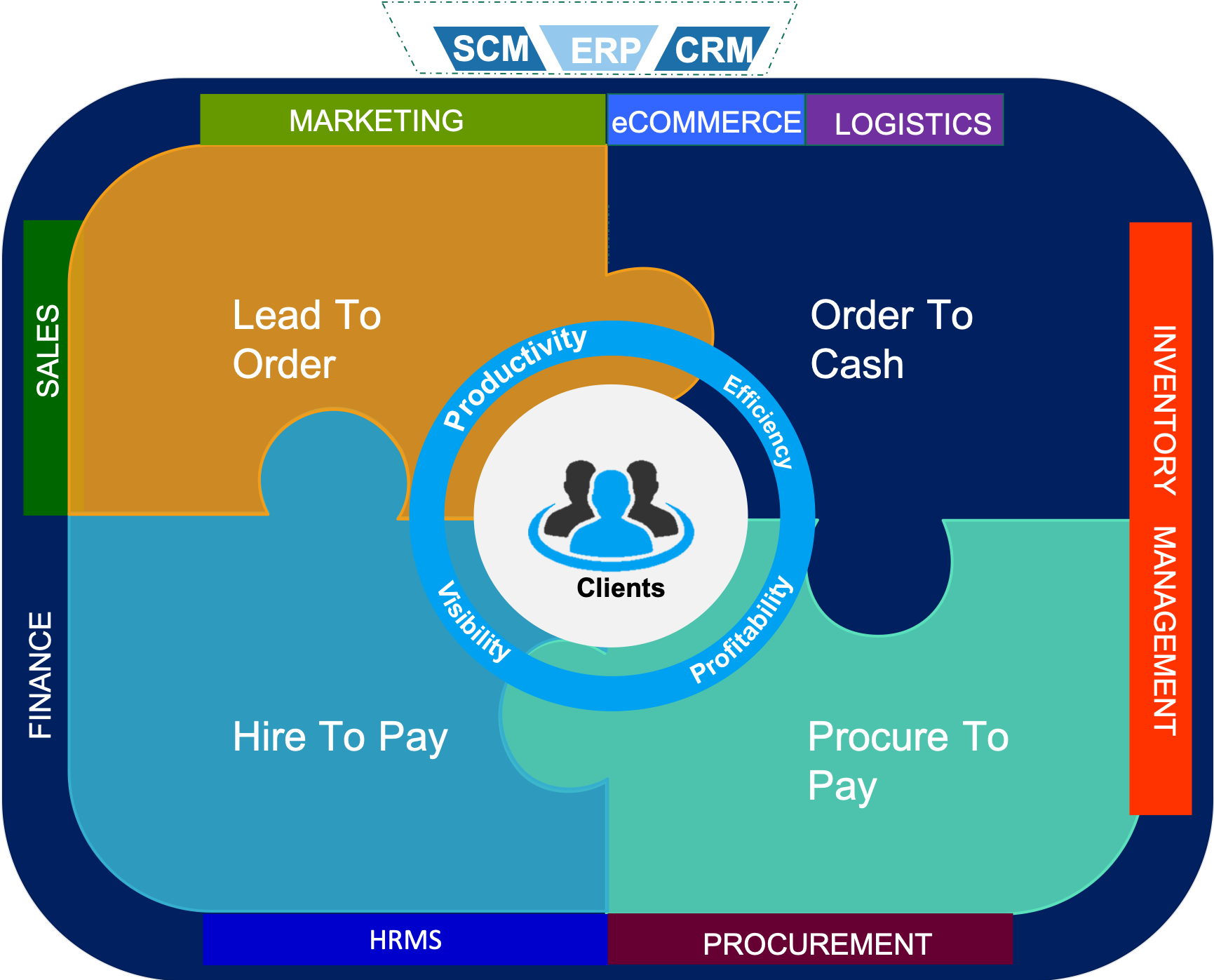
This article explores how CRM and ERP systems, when strategically implemented and integrated, can transform insurance marketing. We’ll delve into the specific functionalities of each system, examine the benefits of integration, and provide practical examples of how these technologies can be used to create more targeted, personalized, and ultimately, more successful insurance marketing campaigns. We’ll also discuss some of the challenges and considerations involved in implementing these systems to ensure a successful outcome.
Understanding CRM and ERP: Key Differences and Synergies
While both CRM and ERP systems are designed to improve business efficiency, they focus on different aspects of an organization. Understanding their core functionalities and how they can work together is crucial for leveraging their full potential in insurance marketing. To streamline operations and enhance customer relationships, businesses often seek solutions, and the pursuit of Best Integrated Crm becomes a priority
Customer Relationship Management (CRM)
CRM systems are primarily focused on managing customer interactions and improving customer relationships. In the insurance industry, this includes tracking leads, managing policy renewals, handling claims inquiries, and providing personalized customer service. Key features of a CRM system include:
- Contact Management: Storing and organizing customer information, including contact details, policy information, communication history, and preferences.
- Lead Management: Tracking leads from initial contact to conversion, allowing marketing teams to identify and nurture potential customers.
- Sales Automation: Automating sales processes, such as sending follow-up emails, scheduling appointments, and generating quotes.
- Marketing Automation: Automating marketing campaigns, such as email marketing, social media marketing, and targeted advertising.
- Customer Service: Providing tools for managing customer inquiries, resolving issues, and tracking customer satisfaction.
- Reporting and Analytics: Providing insights into customer behavior, sales performance, and marketing effectiveness.
Enterprise Resource Planning (ERP)
ERP systems are designed to manage a company’s internal operations, including finance, accounting, human resources, supply chain management, and inventory management. In the insurance industry, ERP systems are used to manage policy administration, claims processing, reinsurance, and financial reporting. Key features of an ERP system include:
- Financial Management: Managing accounting, budgeting, and financial reporting.
- Policy Administration: Managing policy issuance, renewals, and cancellations.
- Claims Processing: Managing claims submission, investigation, and settlement.
- Reinsurance Management: Managing reinsurance agreements and claims.
- Human Resources: Managing employee information, payroll, and benefits.
The Synergy: Integrating CRM and ERP for Marketing
While CRM focuses on the customer-facing aspects of the business and ERP focuses on the internal operations, integrating these two systems creates a powerful synergy that can significantly enhance insurance marketing campaigns. By connecting customer data from CRM with financial and operational data from ERP, insurance companies can gain a 360-degree view of their customers, enabling them to:
- Personalize Marketing Messages: Tailor marketing messages based on customer demographics, policy types, claims history, and financial information.
- Identify Cross-Selling and Upselling Opportunities: Identify customers who are likely to be interested in additional insurance products or higher coverage levels.
- Improve Customer Segmentation: Segment customers based on a wider range of criteria, such as risk profile, policy value, and customer lifetime value.
- Optimize Marketing Campaigns: Track the performance of marketing campaigns in real-time and make adjustments based on customer behavior and financial results.
- Enhance Customer Service: Provide customer service representatives with access to a complete view of the customer, enabling them to resolve issues more quickly and effectively.
How CRM and ERP Integration Boosts Insurance Marketing Campaigns
The integration of CRM and ERP systems provides several specific benefits for insurance marketing campaigns, allowing for more targeted, personalized, and effective outreach.
Enhanced Customer Segmentation
CRM provides basic segmentation based on demographics and interaction history. ERP adds layers of financial and policy data, enabling insurers to segment customers based on:
- Policy Value: Target high-value customers with premium services and exclusive offers.
- Risk Profile: Offer tailored coverage options based on individual risk assessments.
- Claims History: Identify customers with specific claims patterns and offer proactive risk management solutions.
- Renewal Dates: Automate renewal reminders and offer incentives for early renewal.
Personalized Marketing Messages
With a unified view of customer data, insurers can create highly personalized marketing messages that resonate with individual customers. For example:
- Policy-Specific Offers: Offer discounts on complementary policies based on existing coverage.
- Life Stage Marketing: Trigger marketing campaigns based on life events, such as marriage, childbirth, or retirement.
- Location-Based Offers: Offer discounts on home insurance to customers moving to high-risk areas.
Improved Lead Generation and Nurturing
CRM helps capture and track leads, while ERP provides insights into their financial and policy history. This allows insurers to:
- Qualify Leads More Effectively: Identify leads who are most likely to convert based on their financial profile and insurance needs.
- Personalize Lead Nurturing Campaigns: Send targeted emails and offers based on the lead’s interests and needs.
- Track Lead Conversion Rates: Measure the effectiveness of lead generation campaigns and optimize for maximum ROI.
Streamlined Sales Processes
By integrating CRM and ERP, insurers can automate sales processes and reduce manual tasks. This allows sales representatives to:
- Access Customer Data Quickly: Access all relevant customer information in one place, including policy details, claims history, and financial information.
- Generate Quotes Automatically: Generate accurate quotes based on customer data and policy parameters.
- Track Sales Performance: Monitor sales performance and identify areas for improvement.
Optimized Marketing Campaign Performance
Integration provides a closed-loop system for tracking marketing campaign performance. Insurers can:
- Track Campaign ROI: Measure the return on investment of marketing campaigns by tracking leads, conversions, and revenue generated.
- Identify Top-Performing Channels: Determine which marketing channels are most effective at generating leads and conversions.
- Optimize Campaigns in Real-Time: Make adjustments to marketing campaigns based on customer behavior and financial results.
Challenges and Considerations in Implementing CRM and ERP Integration
While the benefits of CRM and ERP integration are significant, implementing these systems can be complex and challenging. Insurers need to carefully consider the following factors to ensure a successful outcome.
Data Migration and Integration
Migrating data from legacy systems to CRM and ERP can be a complex and time-consuming process. Insurers need to ensure that data is accurate, complete, and consistent across all systems. This often requires data cleansing, data transformation, and data validation.
System Compatibility
CRM and ERP systems need to be compatible with each other and with other existing systems. Insurers need to carefully evaluate the integration capabilities of different systems and choose solutions that can seamlessly integrate with their existing IT infrastructure.
User Training and Adoption
Implementing new systems requires user training and adoption. Insurers need to provide adequate training to employees on how to use the new systems and ensure that they are comfortable with the new processes. This may require change management initiatives to address employee resistance and promote adoption.
Cost and Budget
Implementing CRM and ERP systems can be expensive. Insurers need to carefully consider the costs involved, including software licenses, implementation services, training, and ongoing maintenance. They also need to develop a realistic budget and timeline for the implementation project.
Security and Compliance
CRM and ERP systems contain sensitive customer data. Insurers need to ensure that these systems are secure and compliant with relevant regulations, such as GDPR and HIPAA. This requires implementing security measures, such as access controls, encryption, and data masking.
Choosing the Right CRM and ERP Solutions
Selecting the right CRM and ERP solutions is crucial for a successful implementation. Insurers should consider the following factors when evaluating different options:
Industry-Specific Functionality
Choose solutions that are specifically designed for the insurance industry and offer features such as policy administration, claims processing, and reinsurance management.
Scalability and Flexibility
Select solutions that can scale to meet the growing needs of the business and can be customized to fit specific business requirements.
Integration Capabilities
Choose solutions that can seamlessly integrate with other existing systems, such as legacy systems, data warehouses, and marketing automation platforms.
Vendor Reputation and Support
Select reputable vendors with a proven track record of successful implementations and a strong commitment to customer support.
Total Cost of Ownership
Consider the total cost of ownership, including software licenses, implementation services, training, and ongoing maintenance.
Conclusion
In conclusion, the integration of CRM and ERP systems can significantly boost insurance marketing campaigns by enabling more targeted, personalized, and effective outreach. By leveraging the combined power of these two systems, insurers can gain a 360-degree view of their customers, improve lead generation, streamline sales processes, and optimize marketing campaign performance. While implementing these systems can be complex and challenging, the benefits are well worth the effort. By carefully considering the challenges and selecting the right solutions, insurance companies can transform their marketing efforts and achieve significant improvements in customer acquisition, retention, and revenue growth.
The key takeaway is that in today’s data-driven world, insurance companies can no longer afford to rely on outdated, siloed systems. Integrating CRM and ERP is not just a technological upgrade; it’s a strategic imperative for staying competitive and meeting the evolving needs of customers. By embracing this integration, insurers can unlock new opportunities for growth and build stronger, more profitable customer relationships.
Ultimately, the successful implementation of CRM and ERP integration for insurance marketing is a journey that requires careful planning, execution, and ongoing optimization. But with the right approach and the right technology, insurers can transform their marketing efforts and achieve significant and sustainable results. Selecting the right technology is crucial, so comparing Top Crm Platforms is a necessary step
Frequently Asked Questions (FAQ) about How CRM and ERP Boost Insurance Marketing Campaigns
How can integrating CRM and ERP systems help insurance companies improve the targeting of their marketing campaigns to specific customer segments?
Integrating CRM (Customer Relationship Management) and ERP (Enterprise Resource Planning) systems provides insurance companies with a unified view of customer data, significantly enhancing marketing campaign targeting. CRM systems capture detailed customer information, including demographics, purchase history, policy types, and interactions. ERP systems, on the other hand, manage financial data, claims history, and operational data. By combining these data sources, insurance companies can create highly specific customer segments based on factors like risk profile, policy value, claims frequency, and product preferences. This allows for the delivery of personalized marketing messages and offers, improving engagement and conversion rates. For example, a company could identify customers with high-value home insurance policies and target them with offers for supplemental flood insurance, boosting sales and customer loyalty. The combined data provides a 360-degree view, leading to more effective and efficient marketing spend. Many businesses find that improved efficiency and streamlined operations are benefits gained when Best Erp Platforms are carefully considered
What are the key benefits of using CRM and ERP data to personalize customer communication in insurance marketing, and how does this impact customer retention?
Personalizing customer communication using CRM and ERP data offers several key benefits for insurance companies, directly impacting customer retention. By leveraging the combined data, insurers can tailor marketing messages to individual customer needs and preferences. This includes personalized policy recommendations, relevant educational content, and proactive service updates. For instance, a CRM system might identify a customer nearing retirement. Coupled with ERP data showing their current life insurance policy, the company can offer tailored retirement planning advice and relevant annuity products. This level of personalization demonstrates a genuine understanding of the customer’s needs, fostering trust and loyalty. Studies show that personalized experiences can increase customer satisfaction and reduce churn rates. Furthermore, personalized communication can proactively address potential issues, preventing policy cancellations and improving overall customer lifetime value. Ultimately, leveraging data to deliver relevant and timely messages strengthens the customer relationship and encourages long-term retention.
How can CRM and ERP systems help insurance companies track and measure the ROI of their marketing campaigns more effectively, and what metrics should they focus on?
CRM and ERP systems provide powerful tools for tracking and measuring the ROI (Return on Investment) of insurance marketing campaigns. CRM systems can track leads generated from specific campaigns, monitor their progression through the sales funnel, and attribute closed deals back to the original marketing source. ERP systems offer financial data, allowing insurers to calculate the revenue generated from these deals and compare it to the campaign’s cost. Key metrics to focus on include: Cost Per Acquisition (CPA), Customer Lifetime Value (CLTV), conversion rates, lead generation volume, and marketing qualified leads (MQLs). By integrating CRM and ERP, insurers can gain a holistic view of campaign performance, identifying which channels and messages are most effective. This data-driven approach enables them to optimize marketing spend, improve campaign targeting, and maximize ROI. For example, tracking the number of policies sold as a direct result of an email campaign, compared to the cost of the campaign, provides a clear measure of its effectiveness. Continuous monitoring and analysis allow for iterative improvements and better resource allocation.


