CRM for Insurance Customer Relationship and Policy Tracking
The insurance industry, with its complex web of policies, claims, and customer interactions, thrives on efficiency and personalized service. In today’s competitive landscape, simply offering competitive rates isn’t enough. Insurers need to build strong, lasting relationships with their clients, understand their individual needs, and provide seamless, responsive support. This is where Customer Relationship Management (CRM) systems tailored for the insurance sector become invaluable. They are not just software; they are strategic tools that can transform how insurers operate and connect with their customers.
Think of a CRM as the central nervous system for your insurance business. It consolidates all customer data into a single, accessible repository, allowing agents to quickly retrieve policy information, track interactions, and identify opportunities for cross-selling and upselling. Beyond basic contact management, a well-implemented CRM can automate key processes, streamline workflows, and provide valuable insights into customer behavior. This empowers insurers to deliver more personalized service, improve customer retention, and ultimately, boost profitability.
This article delves into the world of CRM for insurance, exploring its key benefits, essential features, and practical considerations for implementation. We’ll examine how CRM systems can revolutionize customer relationship management and policy tracking, enabling insurers to thrive in an increasingly demanding market. We’ll also discuss the common challenges and best practices for choosing and implementing the right CRM solution for your specific needs, ensuring a smooth transition and a significant return on investment.
Understanding CRM for Insurance: A Comprehensive Overview
CRM, in its simplest form, is a technology for managing all your company’s relationships and interactions with customers and potential customers. For insurance, this translates to a system that tracks every touchpoint with a client, from initial inquiry to policy renewal and claims processing. It goes beyond a simple database; it’s a dynamic platform that facilitates communication, enhances collaboration, and provides a holistic view of each customer.
The Core Components of an Insurance CRM
A robust insurance CRM typically includes the following core components:
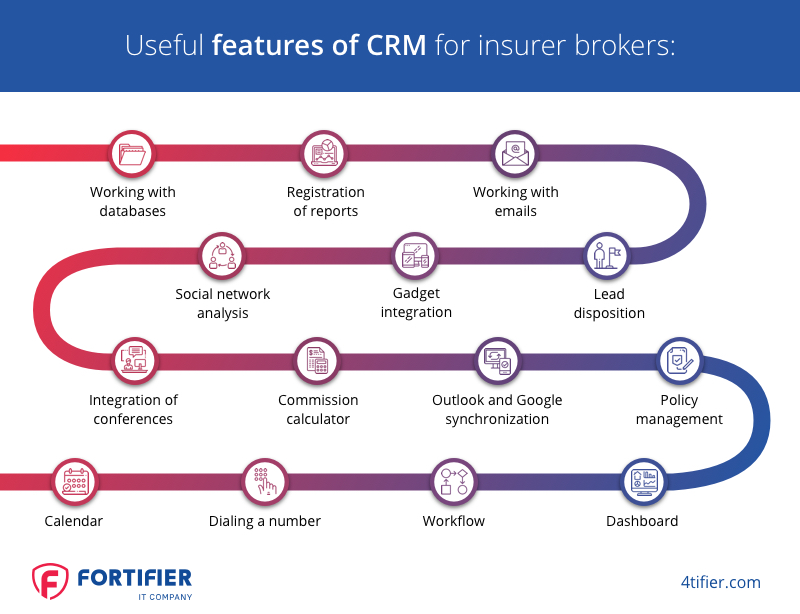
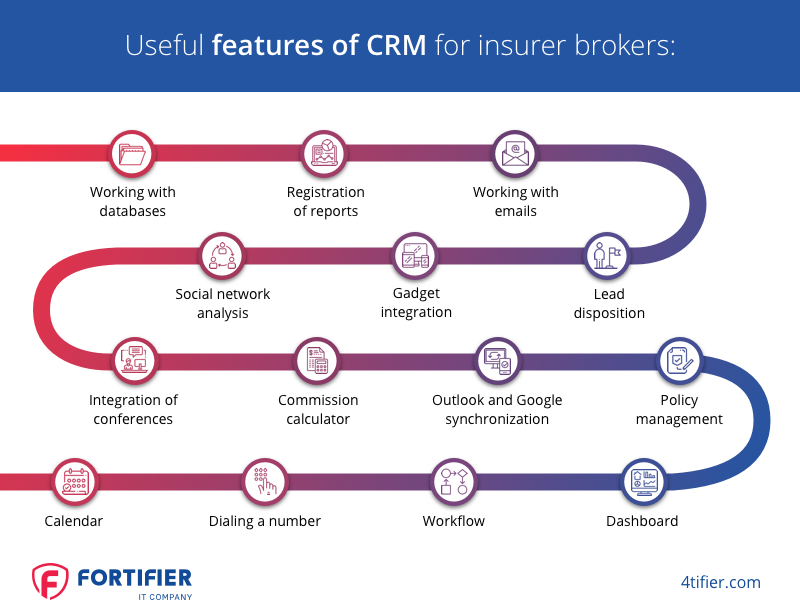
- Contact Management: Centralized storage of customer information, including contact details, demographics, and communication history.
- Policy Management: Tracking of active and expired policies, coverage details, premiums, and renewal dates.
- Lead Management: Capturing and nurturing leads, tracking progress through the sales pipeline, and assigning leads to agents.
- Claims Management: Streamlining the claims process, tracking claim status, and facilitating communication between adjusters and policyholders.
- Reporting and Analytics: Generating reports on key performance indicators (KPIs), such as customer acquisition cost, retention rate, and sales performance.
- Communication Tools: Integration with email, phone systems, and other communication channels to facilitate seamless interaction with customers.
Benefits of Implementing a CRM in Insurance
The benefits of using a CRM system in the insurance industry are numerous and can significantly impact various aspects of the business.
Enhanced Customer Relationship Management
At its heart, CRM is about improving customer relationships. By providing agents with a 360-degree view of each customer, CRM enables them to deliver more personalized and relevant service. Agents can quickly access policy information, understand past interactions, and anticipate customer needs, leading to stronger relationships and increased customer loyalty.
Improved Policy Tracking and Management
CRM streamlines policy management by centralizing all policy-related information in one place. Agents can easily track policy details, renewal dates, and coverage information, ensuring that customers receive timely reminders and updates. This reduces the risk of policy lapses and improves customer satisfaction.
Streamlined Sales and Marketing Efforts
CRM empowers insurance companies to optimize their sales and marketing efforts. By tracking leads and identifying opportunities for cross-selling and upselling, agents can increase sales revenue. Marketing teams can use CRM data to segment customers and create targeted campaigns, improving campaign effectiveness and ROI.
Increased Efficiency and Productivity
By automating key processes and streamlining workflows, CRM can significantly improve efficiency and productivity. Agents can spend less time on administrative tasks and more time focusing on customer interactions and sales. This leads to increased revenue and reduced operational costs.
Better Data-Driven Decision Making
CRM provides valuable insights into customer behavior and business performance. By generating reports on key KPIs, insurance companies can identify trends, track progress, and make data-driven decisions. This enables them to optimize their operations and improve their overall business performance.
Essential Features to Look for in an Insurance CRM
Choosing the right CRM for your insurance business requires careful consideration of your specific needs and requirements. Here are some essential features to look for:
Policy Management Capabilities
The CRM should offer robust policy management features, including the ability to track policy details, renewal dates, coverage information, and claims history. It should also allow agents to easily access and update policy information.
Lead Management and Sales Automation
The CRM should provide tools for capturing and nurturing leads, tracking progress through the sales pipeline, and automating sales tasks. This includes features such as lead scoring, email marketing automation, and sales forecasting.
Claims Management Integration
Integration with a claims management system is crucial for streamlining the claims process. The CRM should allow agents to track claim status, communicate with adjusters, and manage claim-related documents.
Reporting and Analytics Dashboard
A comprehensive reporting and analytics dashboard is essential for tracking key KPIs and making data-driven decisions. The CRM should provide customizable reports on customer acquisition cost, retention rate, sales performance, and other relevant metrics.
Integration with Existing Systems
The CRM should seamlessly integrate with your existing systems, such as your accounting software, email marketing platform, and phone system. This ensures that data is synchronized across all systems and that agents have access to all the information they need.
Mobile Accessibility
In today’s mobile world, it’s essential that your CRM is accessible from anywhere, at any time. The CRM should offer a mobile app that allows agents to access customer information, manage policies, and track leads while on the go.
Implementing an Insurance CRM: Best Practices and Common Challenges
Implementing a CRM system can be a complex undertaking, but following best practices can help ensure a smooth and successful transition.
Planning and Preparation
Before implementing a CRM, it’s crucial to define your goals and objectives. What do you hope to achieve with the CRM? What are your specific requirements? Once you have a clear understanding of your needs, you can begin to evaluate different CRM solutions and choose the one that best fits your business.
Data Migration and Cleansing
Migrating your existing customer data to the new CRM is a critical step. It’s important to cleanse your data to ensure that it is accurate and consistent. This may involve removing duplicate records, correcting errors, and standardizing data formats. Streamlining business processes often involves a trifecta of technologies, where understanding Automation Crm Erp integration is key to maximizing efficiency
Training and User Adoption
Providing adequate training to your agents and staff is essential for ensuring user adoption. The training should cover all aspects of the CRM, including how to use the system, how to access customer information, and how to generate reports. It’s also important to provide ongoing support to users as they become familiar with the CRM.
Common Challenges and How to Overcome Them
- Resistance to Change: Some agents may be resistant to adopting a new CRM system. To overcome this challenge, emphasize the benefits of the CRM and provide adequate training and support.
- Data Quality Issues: Inaccurate or incomplete data can hinder the effectiveness of the CRM. To address this issue, implement data cleansing procedures and ensure that data is regularly updated.
- Lack of Integration: If the CRM is not properly integrated with your existing systems, it can create silos of information and hinder efficiency. To avoid this, choose a CRM that seamlessly integrates with your other systems.
Choosing the Right CRM for Your Insurance Business
With so many CRM options available, selecting the right one can feel overwhelming. Here’s a framework to guide your decision:
Assess Your Specific Needs
Start by thoroughly analyzing your business processes. What are your pain points? What specific functionalities do you require? Involve key stakeholders from different departments in this assessment to get a comprehensive understanding of your needs.
Evaluate Different CRM Solutions
Research and compare different CRM solutions based on your needs and budget. Consider factors such as features, pricing, scalability, and ease of use. Request demos from different vendors and ask for case studies or testimonials from other insurance companies.
Consider Cloud vs. On-Premise Solutions
Cloud-based CRMs are typically more affordable and easier to implement, while on-premise solutions offer greater control and customization. Weigh the pros and cons of each option based on your specific needs and technical capabilities. For businesses seeking optimal efficiency, understanding what constitutes Best Erp Platforms is a critical first step
Read Reviews and Seek Recommendations
Read online reviews and seek recommendations from other insurance companies. This can provide valuable insights into the strengths and weaknesses of different CRM solutions.
Start with a Pilot Program
Before rolling out the CRM to your entire organization, consider starting with a pilot program. This allows you to test the CRM in a real-world environment and identify any issues before they become widespread.
The Future of CRM in Insurance
The future of CRM in insurance is bright, with emerging technologies and trends poised to further transform the industry. Artificial intelligence (AI) and machine learning (ML) are playing an increasingly important role in CRM, enabling insurers to automate tasks, personalize customer interactions, and predict customer behavior. Chatbots are also becoming more prevalent, providing instant customer support and resolving simple queries. As technology continues to evolve, CRM will become even more essential for insurance companies looking to stay ahead of the curve and deliver exceptional customer experiences.
Frequently Asked Questions (FAQ) about CRM for Insurance Customer Relationship and Policy Tracking
How can implementing a CRM system specifically designed for insurance agencies improve customer retention rates and policy renewals?
Implementing a CRM system tailored for insurance agencies can significantly boost customer retention and policy renewals. By centralizing all customer data, including policy details, communication history, and claims information, agents gain a 360-degree view of each client. This allows for personalized interactions, proactive service, and targeted communication. For instance, a CRM can automatically remind agents to reach out to clients before their policy renewal date, offering customized options or addressing any concerns. Furthermore, CRM for insurance enables efficient tracking of customer interactions, ensuring no client is overlooked. This data-driven approach to customer relationship management fosters stronger client relationships, leading to increased loyalty and higher policy renewal rates. Studies show that companies using CRM systems see an average increase in customer retention rates of around 27%.
What are the key features to look for when choosing a CRM for insurance brokers to streamline policy administration and claims management processes?
When selecting a CRM for insurance brokers, several key features are crucial for streamlining policy administration and claims management. First, policy management capabilities are essential, allowing brokers to easily track policy details, renewals, and endorsements. Second, claims management features enable efficient processing of claims, from initial reporting to settlement. Integration with insurance carriers is also vital for automated data exchange and reduced manual data entry. Workflow automation is another important feature, allowing brokers to automate repetitive tasks such as sending renewal reminders or generating reports. Finally, robust reporting and analytics tools provide insights into key performance indicators (KPIs), helping brokers identify areas for improvement. These features, combined within a single CRM platform, can significantly improve efficiency and productivity for insurance brokers.
How does using a CRM with integrated marketing automation tools help insurance companies generate more qualified leads and improve their sales conversion rates?
A CRM with integrated marketing automation provides insurance companies with a powerful tool to generate more qualified leads and increase sales conversion rates. By automating marketing tasks such as email campaigns, lead nurturing, and social media posting, insurance companies can reach a wider audience and engage with potential customers more effectively. The CRM helps to segment leads based on demographics, interests, and behavior, allowing for personalized messaging that resonates with each individual. Furthermore, marketing automation tracks lead engagement and identifies those who are most likely to convert into paying customers. This allows sales teams to focus their efforts on the most promising leads, increasing their efficiency and improving conversion rates. For example, automated email sequences can deliver targeted content based on a prospect’s expressed interests, nurturing them through the sales funnel and ultimately leading to a higher likelihood of policy purchase. Investing in a CRM with marketing automation capabilities is a strategic move for insurance companies aiming to boost lead generation and sales performance. Managing risk effectively is crucial for insurance companies, Erp Insurance Risk requires a comprehensive strategy


