
ERP for Insurance Risk Management and Fraud Prevention
The insurance industry, with its complex web of policies, claims, and regulations, faces an ever-increasing challenge in managing risk and preventing fraud. Traditional methods, often reliant on disparate systems and manual processes, are proving inadequate in today’s fast-paced digital landscape. This is where Enterprise Resource Planning (ERP) systems come into play, offering a powerful and integrated solution to streamline operations, enhance risk management, and effectively combat fraudulent activities. But simply buying an ERP isn’t a silver bullet; successful implementation requires careful planning, understanding the specific needs of your insurance business, and choosing the right solution.
Having worked with ERP implementations in various industries, including a stint focused on the insurance sector, I’ve witnessed firsthand the transformative impact a well-chosen and properly implemented ERP can have. It’s not just about automating tasks; it’s about creating a connected ecosystem where data flows seamlessly, providing real-time insights and empowering informed decision-making. However, the path to ERP success is often fraught with challenges, from resistance to change to data migration nightmares. The key is to approach the process strategically, with a clear understanding of the potential pitfalls and the resources required.
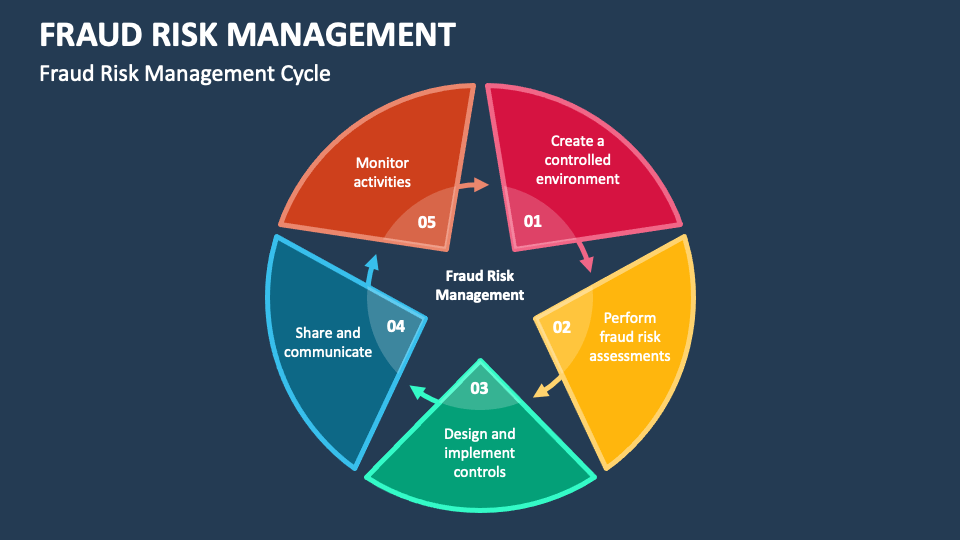
This article will delve into the specific applications of ERP in insurance risk management and fraud prevention. We’ll explore how an ERP system can help insurers improve their underwriting processes, detect suspicious claims, comply with regulations, and ultimately, protect their bottom line. We’ll also discuss the common pain points encountered during ERP adoption and provide practical guidance on how to choose the right ERP solution for your organization, ensuring a smooth and successful transition to a more efficient and secure future.
Understanding ERP in the Context of Insurance
ERP systems are designed to integrate all facets of a business, from finance and accounting to human resources and operations. In the insurance industry, this integration translates into a centralized platform for managing policies, claims, customer data, and financial transactions. This holistic view allows insurers to gain a deeper understanding of their risks and identify potential areas of fraud.
Key Modules and Their Relevance to Insurance
While ERP systems are highly customizable, certain modules are particularly relevant to the insurance industry:
- Policy Management: This module handles the entire lifecycle of a policy, from initial quote to renewal. It allows insurers to track policy details, manage endorsements, and generate reports on policy performance.
- Claims Management: Arguably the most critical module, it streamlines the claims process from first notice of loss to settlement. It includes features for claim investigation, damage assessment, and payment processing.
- Financial Management: This module provides a comprehensive view of the company’s financial health, including accounts payable, accounts receivable, and general ledger. It’s crucial for tracking premiums, payouts, and profitability.
- Customer Relationship Management (CRM): This module helps insurers manage their relationships with customers and agents. It provides a central repository for customer data, allowing insurers to personalize their interactions and improve customer satisfaction.
- Business Intelligence (BI) and Analytics: This module provides tools for analyzing data and generating reports. It helps insurers identify trends, assess risks, and make informed decisions.
- Compliance Management: This module assists in adhering to regulatory requirements, ensuring the business operates within legal and ethical boundaries. This is particularly important in the highly regulated insurance industry.
Enhancing Risk Management with ERP
Effective risk management is paramount for insurance companies. An ERP system can significantly improve risk management practices by providing better data visibility, automated processes, and sophisticated analytics.
Improving Underwriting Processes
An ERP system can streamline the underwriting process by automating data collection, risk assessment, and policy pricing. By integrating data from various sources, such as credit reports, property records, and medical histories, insurers can gain a more comprehensive understanding of the risks associated with each applicant. This allows them to make more informed underwriting decisions and price policies accordingly.
For example, imagine an applicant applying for homeowners insurance. The ERP system can automatically pull data from public records to verify the property’s ownership, construction type, and flood zone status. It can also access weather data to assess the risk of natural disasters. This information, combined with the applicant’s credit score and claims history, allows the underwriter to accurately assess the risk and determine the appropriate premium. Choosing the right tools is essential, so let’s explore Top Crm Platforms and how they can benefit your business
Data-Driven Risk Assessment
ERP systems provide powerful analytics tools that enable insurers to identify and assess risks more effectively. By analyzing historical claims data, insurers can identify trends and patterns that indicate potential areas of vulnerability. For example, they might discover that certain types of policies are consistently associated with higher claims costs or that certain geographic areas are prone to specific types of losses. This information can be used to refine underwriting guidelines, adjust pricing strategies, and implement targeted risk mitigation measures. Finding the right solution can be overwhelming, so understanding what constitutes Best Crm Insurance is crucial for making an informed decision
Streamlining Regulatory Compliance
The insurance industry is heavily regulated, and compliance with these regulations can be a complex and time-consuming process. An ERP system can help insurers streamline regulatory compliance by automating reporting requirements and ensuring that all policies and procedures are in accordance with applicable laws and regulations. This can reduce the risk of fines and penalties and improve the company’s reputation.
ERP for Fraud Prevention in Insurance
Insurance fraud is a significant problem, costing the industry billions of dollars each year. An ERP system can play a crucial role in detecting and preventing fraudulent activities by providing advanced analytics, automated fraud detection rules, and improved data security.
Automated Fraud Detection Rules
ERP systems can be configured with automated fraud detection rules that flag suspicious claims for further investigation. These rules can be based on a variety of factors, such as the type of claim, the amount of the claim, the claimant’s history, and the circumstances surrounding the loss. For example, a rule might flag a claim if the claimant has a history of filing similar claims or if the claim is for an unusually high amount.
These rules are not static; they can be continuously refined and updated based on new data and emerging fraud trends. This ensures that the system remains effective in detecting even the most sophisticated fraud schemes.
Data Analytics and Anomaly Detection
ERP systems can leverage data analytics to identify anomalies and patterns that may indicate fraudulent activity. For example, the system might identify a group of claims that are all filed by the same individual or that are all related to the same incident. It might also identify claims that are significantly different from the average claim for a particular type of loss. These anomalies can then be investigated further to determine whether they are legitimate or fraudulent.
Improved Data Security and Access Control
ERP systems provide robust data security features, including access controls, encryption, and audit trails. This helps to protect sensitive data from unauthorized access and manipulation, reducing the risk of internal fraud. By restricting access to certain data and functions based on user roles, insurers can ensure that only authorized personnel have access to sensitive information.
Common Pain Points During ERP Adoption
While the benefits of ERP are undeniable, the implementation process can be challenging. Here are some common pain points to be aware of:
Resistance to Change
One of the biggest challenges is often resistance to change from employees who are accustomed to the old way of doing things. It’s crucial to involve employees in the implementation process, provide adequate training, and communicate the benefits of the new system clearly.
Data Migration Issues
Migrating data from legacy systems to the new ERP system can be a complex and time-consuming process. It’s important to thoroughly cleanse and validate the data before migration to ensure accuracy and consistency.
Customization Challenges
While ERP systems are highly customizable, excessive customization can lead to increased costs, longer implementation times, and potential compatibility issues. It’s important to carefully assess the need for customization and prioritize essential requirements.
Lack of Proper Training
Insufficient training can hinder user adoption and prevent employees from fully utilizing the system’s capabilities. Comprehensive training programs are essential to ensure that employees understand how to use the system effectively. For streamlined business operations and improved efficiency, exploring Best Erp Tools is a crucial step
Choosing the Right ERP Solution for Your Insurance Business
Selecting the right ERP solution is crucial for a successful implementation. Here are some factors to consider:
Industry-Specific Functionality
Choose an ERP system that is specifically designed for the insurance industry. These systems will typically include features that are tailored to the unique needs of insurance companies, such as policy management, claims processing, and regulatory compliance.
Scalability and Flexibility
Select an ERP system that can scale to meet your growing business needs. The system should be flexible enough to adapt to changing business requirements and new technologies.
Integration Capabilities
Ensure that the ERP system can integrate with your existing systems, such as CRM, policy administration, and claims management systems. Seamless integration is essential for data consistency and efficiency.
Vendor Reputation and Support
Choose a reputable vendor with a proven track record of successful ERP implementations. The vendor should provide comprehensive support and training services.
Total Cost of Ownership (TCO)
Consider the total cost of ownership, including software licenses, implementation costs, training costs, and ongoing maintenance fees. Don’t just focus on the initial purchase price; factor in the long-term costs of running the system.
In conclusion, ERP systems offer a powerful solution for insurance companies seeking to enhance risk management, prevent fraud, and streamline operations. By carefully selecting and implementing the right ERP system, insurers can gain a competitive edge in today’s challenging market.
Frequently Asked Questions (FAQ) about ERP for Insurance Risk Management and Fraud Prevention
How can implementing an ERP system specifically help insurance companies to improve risk management processes and reduce potential losses?
An ERP system offers significant advantages for insurance risk management. It centralizes data from various departments (underwriting, claims, actuarial) providing a holistic view of risk exposure. This allows for better data analysis and identification of trends that might indicate emerging risks. For example, an ERP can track claims data across different policies and regions, revealing patterns that suggest increased risk in certain areas or with particular policy types. Furthermore, ERP systems support enhanced compliance with regulatory requirements by automating reporting and tracking key performance indicators (KPIs) related to risk. By improving data accuracy and transparency, and facilitating proactive risk assessment, ERPs empower insurance companies to make more informed decisions, ultimately reducing potential losses and improving profitability. Better risk assessment leads to more accurate pricing and reserve calculations.
What are the key features of an ERP system that are most beneficial for insurance fraud detection and prevention, and how do they work in practice?
Several ERP features are crucial for combating insurance fraud. Data analytics and AI-powered fraud detection are key. These tools analyze claims data, identifying anomalies and suspicious patterns that could indicate fraudulent activity. For example, an ERP can flag claims with unusually high costs compared to similar incidents, or claims filed shortly after a policy inception. Automated workflow management ensures consistent processes and reduces opportunities for internal fraud. Audit trails provide a detailed record of all transactions and user activities, making it easier to identify and investigate suspicious behavior. Furthermore, integration with external databases (e.g., national fraud databases) allows for cross-referencing information and identifying potentially fraudulent claimants or service providers. These features work together to create a robust defense against insurance fraud, saving companies significant amounts of money and protecting their reputation. Implementing role-based access control also helps in preventing unauthorized access to sensitive data.
What are the potential challenges and best practices for successfully implementing an ERP system for risk management and fraud prevention in an insurance company?
Implementing an ERP system presents several challenges. These include data migration from legacy systems, resistance to change from employees, and the complexity of integrating the ERP with existing applications. Underestimating the time and resources required for implementation is a common pitfall. Best practices include a well-defined implementation plan with clear objectives, strong executive sponsorship, and thorough training for all users. A phased rollout approach can minimize disruption. Data cleansing and validation are crucial to ensure data accuracy. Choosing an ERP system that is specifically designed for the insurance industry and has a proven track record is also essential. Finally, ongoing monitoring and optimization are necessary to ensure the ERP system continues to meet the evolving needs of the insurance company. Regular audits and user feedback can help identify areas for improvement. A dedicated project team with representatives from all relevant departments is also crucial for success.


